
Significance of Liwa Oasis: A Cultural and Economic Hub
Intro
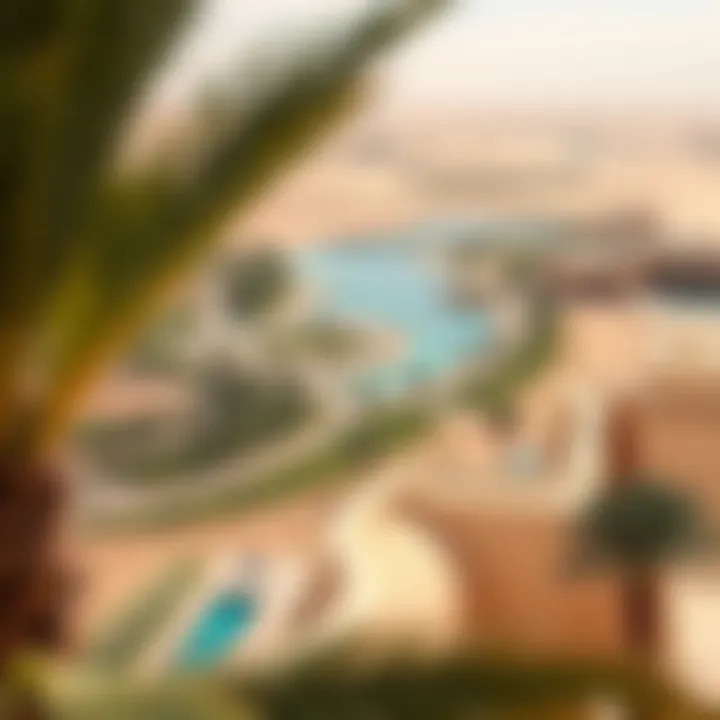
Liwa Oasis is more than just a scenic desert retreat; it's a cornerstone of life and culture in the Abu Dhabi region. The oasis is framed by the spectacular dunes of the Rub' al Khali, also known as the Empty Quarter, an expanse that stretches across several countries in the Arabian Peninsula. This setting is not just a backdrop but plays a significant role in the economic dynamics of the area.
As we peel back the layers of Liwa, we uncover its meteorological marvels, socio-economic contributions, and the rich tapestry of traditions that have flourished here for centuries. The oasis has long been a vital water source, a haven for date palms, and a stopping point for traders. In recent times, it has also become a significant player in the real estate market, catching the eye of investors looking to explore innovative opportunities.
By understanding the interplay between Liwa's historical significance and its burgeoning potential in today’s market, we illuminate the broader narrative of the United Arab Emirates’ ongoing transformation. With every sand dune and palm leaf, there’s a story of resilience, adaptation, and a glimpse into what the future might hold for this enchanting location.
Market Trends
Liwa Oasis has become increasingly relevant in discussions surrounding real estate investment in the United Arab Emirates. Without a doubt, one crucial aspect is the current market analysis, which indicates a measured growth trajectory that professionals in the field should consider.
Current Market Analysis
Currently, investors are eyeing the Liwa region due to its economic developments and accessibility. As infrastructure improvements take root, the area is no longer seen merely as a remote oasis. With new roads and facilities being constructed, ease of access is transforming the investment landscape. Moreover, the trend towards sustainable tourism and living is beginning to take shape.
- Rising Demand: The calming ambiance of Liwa is attractive to expatriates and local residents alike, resulting in steady demand for residential properties.
- Pricing Trends: Market analysts are observing a gradual increase in property values correlating with ongoing developments.
- Community Engagement: Investments are also bolstered by cultural events and initiatives that draw attention to the area's heritage, appealing to buyers who seek a lifestyle intertwined with culture.
Future Projections
Looking ahead, the outlook for Liwa Oasis appears optimistic. The governmental commitment toward developing the surrounding areas paves the way for potential growth. Our predictions suggest a few key trends.
- Increased Investments: We anticipate that more national and international investors will set their sights on Liwa.
- Sustainable Development: There will be a push for eco-friendly projects, which align with global trends towards sustainability.
- Enhancements in Infrastructure: More robust infrastructure will likely correlate with lifestyle improvements, making the oasis an even more attractive place for buyers.
Through these evolving market dynamics, Liwa Oasis solidifies its standing as a focal point of interest in the United Arab Emirates.
“The Liwa Oasis represents a blend of historical significance and modern potential, an intersection that offers countless opportunities for investors and residents alike.”
Investment Strategies
Investing in the Liwa real estate market requires an informed approach. Investors need an understanding of the various types of properties available and the financing options suited for the region.
Types of Properties to Consider
As real estate options grow, the choices available for investors diversify.
- Residential Units: Villas and private homes are popular among those looking to settle. The charming environment attracts families.
- Commercial Ventures: Properties dedicated to businesses and services can tap into the rising influx of tourists.
- Tourism-related Developments: Hotels and resorts can benefit from the growing momentum in eco-tourism and cultural heritage.
Financing Options and Tips
Navigating financing in the UAE can be straightforward with the right knowledge. Here are some strategies:
- Local Banks: Explore offers from local institutions known to be supportive of real estate ventures.
- Investor Partnerships: Collaborative investments can reduce financial risks and lend additional expertise to navigate the local market.
- Government Initiatives: Stay informed on programs that promote investment in the region, which may provide incentives for buyers.
As the Liwa Oasis continues to evolve, these strategies can equip investors with the necessary tools to capitalize on a unique opportunity that marries tradition with modernity.
For a deeper dive into various aspects of Liwa Oasis and its importance in the United Arab Emirates, consider exploring additional resources such as Wikipedia, Britannica, and relevant financial insights on platforms like Reddit and institutional guides.
Geographical Overview of Liwa
Liwa Oasis sits in the heart of the Abu Dhabi desert and holds much more than a mere geographical position. It serves as an important junction where natural beauty intertwines with cultural and economic significance. As one delves into the intricate aspects of Liwa, it's essential to understand that the geographical overview provides a foundation for appreciating its role in the United Arab Emirates.
Location and Landscape Features
Desert Topography
The desert topography of Liwa is a sight to behold, characterized by rolling sand dunes that stretch as far as the eye can see. One could describe it as an ocean of sand, with wave-like forms shaped by the relentless wind. This unique landscape serves as a significant contributor to the region's ecological and cultural narratives.
The dunes, some of which rise over 200 meters, create a striking contrast against the azure sky, and their shifting nature signifies change and permanence all at once. The soft, fine-textured sand, when kissed by the sun, glows in shades of gold and amber, making it a popular destination for both tourists and researchers.
These dramatic landscapes are not just picturesque but also beneficial in terms of biodiversity. Various species of flora and rare fauna have adapted to thrive in these challenging conditions, contributing to the ecological importance of the region in this article.
Significant Landmarks
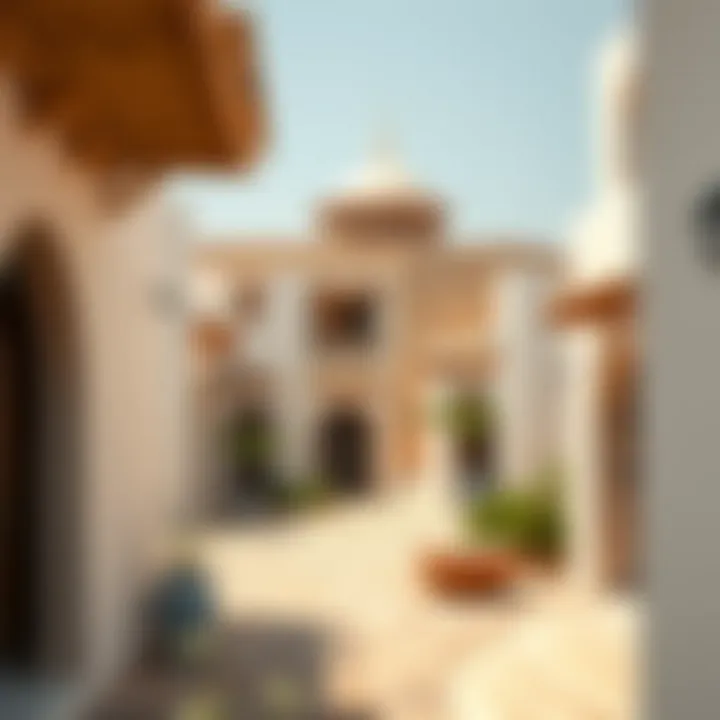
Liwa features several significant landmarks that breathe life into its historical narrative. Among these, the Liwa Forts, such as the Qasr Al Muwaiji, play crucial roles in understanding the cultural heritage of the Bedouin people. These forts stand as testament to the rich history and architectural ingenuity of the past.
One unique feature of these landmarks is their dual role – not only do they serve as historical sites, but they also draw in tourists and enthusiasts who wish to learn about the local traditions. This interplay between past and present illustrates how significant landmarks contribute to both educational pursuits and tourism, enhancing the cultural depth of Liwa.
Climate and Its Implications
Understanding Liwa's climate is crucial, as it influences various aspects of life, from agriculture to tourism.
Temperature Variations
Liwa experiences notable temperature variations, especially between day and night. During the scorching summer months, daytime temperatures can soar above 50°C, while the nights can be surprisingly cool, dipping to 20°C or below. This fluctuation impacts life and activities within the oasis, especially in terms of agricultural planning and tourism.
The extreme heat during the day makes outdoor activities difficult, pushing many to explore at dawn or dusk. This invironmental reality shapes the activities of residents and visitors alike, creating a unique rhythm for life in Liwa.
Seasonal Weather Patterns
Liwa's weather patterns are characterized by the harsh desert climate, with little rainfall and wind-driven sandstorms that can reshape the landscape. The winter season, however, brings slightly milder temperatures, making it a more favorable time for both tourists and local events.
The minimal precipitation means that water conservation methods must be applied carefully to sustain agriculture and local farming practices. Ever resourceful, the population implements traditional techniques like falaj systems to channel water from underground aquifers.
Additionally, seasonal changes can impact the local economy, especially with regards to the tourism industry. Events and festivals are often planned around these milder months, enticing visitors and boosting local business.
Overall, the geographical overview of Liwa highlights its unique attributes and sets the stage for deeper exploration into its historical, cultural, and economic significance. Understanding this multifaceted backdrop is key to appreciating the oasis in its entirety, from its environmental attributes to its cultural legacy.
Historical Significance
Understanding the historical significance of Liwa Oasis gives valuable insight into its development and relevance in today's context. The Oasis is not merely a geographic location; it encapsulates centuries of human interaction with the environment, culture, and economy. Through examining early settlements and cultural influences, along with the evolution of key historical events and trade routes, one can appreciate how this unique location has shaped the identity and future prospects of the region.
Foundation of the Oasis
Early Settlements
The early settlements in Liwa Oasis date back to antiquity, representing a nexus for nomadic tribes. These communities understood the delicate balance required to survive in a desert environment. They cultivated date palms as a primary resource, which significantly contributed to their sustainability. One notable aspect was the use of complex irrigation systems to enhance agricultural outputs, enabling settlers to thrive despite harsh conditions.
This adaptive strategy not only ensured their survival but also made Liwa a focal point for trade and cultural exchanges. The practice of cultivating dates, a staple in their diet, became emblematic of their identity. However, the reliance on specific crops also made these early communities vulnerable to environmental changes, impacting their stability over time.
Cultural Influences
Cultural influences in Liwa Oasis are profound, stemming from the early interactions between various tribes and traders. This melting pot of cultures imbued the oasis with rich traditions and customs reflected in its arts and daily life. For instance, poetry and storytelling were encouraged, creating pathways for oral histories to endure through generations.
One key characteristic is the influence of Islamic traditions, which have played a significant role in shaping the societal norms within the oasis. While this cultural infusion has positively enriched the community, it has also led to challenges in balancing modern and traditional values, especially as globalization plays its role.
Evolution Over Centuries
Key Historical Events
The transformation of Liwa over the centuries was marked by key historical events, including the discovery of oil in the late 20th century. Such events accelerated modernization and economic shifts that increasingly attracted various businesses and a more diverse population to the region. This rapid change has been a double-edged sword; while it brought development and improved living standards, it has also risked diluting the cultural authenticity that earlier generations worked tirelessly to preserve.
One significant moment was when Liwa was chosen as a center for palm production and acted as a hub for desert-dwelling tribes, establishing a framework for community cooperation and resilience against outside pressures.
Impact of Trade Routes
The impact of trade routes on the prosperity of Liwa Oasis cannot be overstated. Historically, Liwa served as a crucial stop for caravans traversing the Arabian Peninsula. This strategic location allowed it to flourish as a trade center where goods, ideas, and cultures intermingled.
The characteristic feature here is the convergence of multiple trade pathways leading to the oasis, benefiting local artisans and merchants. These connections not only enhanced economic stability but also facilitated exchanges that enriched the area's cultural landscape. However, the reliance on trade also made the region susceptible to fluctuations in demand and geopolitical tensions, which could threaten local economies and social structures.
"Liwa Oasis stands at the crossroads of history, defined by the ebb and flow of culture, commerce, and human resilience. Its story is an ever-evolving tapestry woven from the threads of time."
In summary, the historical significance of Liwa Oasis is derived from its early settlements, cultural richness, key historical events, and the transformative impact of trade routes. As we explore these facets, one can appreciate how past circumstances continue to mold the present and future of this remarkable oasis.
Cultural Aspects of Liwa
The cultural fabric of Liwa Oasis serves not just as a backdrop but as a living, breathing entity that encapsulates the essence of its community. From traditional Bedouin practices to the vibrant artisan scene, this oasis is a treasure chest of heritage that influences the social and economic dynamics within the region. Understanding these cultural aspects is crucial for anyone looking to grasp the deeper significance of Liwa.
Traditional Practices
Bedouin Heritage
Bedouin heritage is more than just a term; it’s a rich tapestry of customs that reflect resilience and adaptability. Rooted in the nomadic lifestyle, Bedouins of Liwa have cultivated a way of life deeply intertwined with the desert. The significance of their heritage is apparent in how community members still practice traditional skills, such as animal husbandry and falconry.
This aspect is characterized by a strong sense of hospitality, often seen during gatherings where traditional meals are served. This cultural element not only serves to strengthen community bonds but also attracts tourists, eager to witness the customs first-hand. The allure of authentic experiences drives local and international interest, boosting economic activities through cultural tourism. However, it’s worth noting that such practices face challenges from modernization, which could dilute these age-old customs if not carefully preserved.
Local Crafts and Artisanship
Local crafts and artisanship in Liwa showcase the skill and creativity of its inhabitants. From beautifully woven carpets to exquisite ceramics, the local handicrafts embody the rich traditions of the region. The craftsmanship reflects a connection to the land and an appreciation for the resources it provides.
This segment of Liwa’s culture is significant as it offers a means of livelihood for many families. Marketplaces often display these crafts, allowing artisans to not only earn a fair income but also promote their heritage. It's a beneficial choice for investors looking to support sustainable businesses while exploring opportunities in the local market. However, as globalization encroaches, there’s a risk that traditional methods may wane, necessitating steps to protect and promote these unique offerings.
Festivals and Celebrations
Annual Cultural Events
The annual cultural events in Liwa serve as vibrant celebrations that encapsulate the spirit of the oasis. These occasions, such as the Liwa Date Festival, bring together locals and visitors alike. They celebrate the region's agricultural bounty, particularly its date cultivation, showcasing the importance of this fruit in the local economy and culture.
Participating in these events offers attendees a rare glimpse into the local lifestyle and traditions, making them a popular and beneficial draw for tourism. They not only showcase talents through competitions such as date-eating contests but also promote local products, helping to keep the community thriving.
Significance of Dates
Dates hold a unique significance in Liwa, symbolizing hospitality and prosperity. This staple food is revered not only for its nutritional value but also for its cultural importance during special occasions and gatherings. The importance of dates stretches beyond the culinary; they reflect a connection to the land and the heritage of the Bedouins who relied on date palms for sustenance.
The annual celebrations centered around dates enhance local pride and draw attention to the oasis. These festivities not only help preserve the tradition but also attract investment opportunities in agricultural tourism. However, increasing climate issues pose risks to palm cultivation, making the understanding of sustainable practices crucial for the future of this beloved tradition.


The cultural aspects of Liwa Oasis not only enrich the local community but also present opportunities for economic growth through sustainable practices and tourism.
Economic Contributions
The economic contributions of Liwa Oasis stand as a testament to its significance within the Abu Dhabi desert landscape. This oasis is not merely a geographic landmark; it serves as a vital economic hub for local communities, derived from both agriculture and tourism. Understanding its economic impact provides insights into how Liwa sustains not only its residents but also contributes to the broader economic framework of the United Arab Emirates.
Agriculture in Liwa
Agriculture in Liwa has a pivotal role in everyday life and its economy. Farmers in this region employ unique cultivation techniques that are adapted to the challenging desert environment, showcasing resilience and innovation.
Cultivation Techniques
One notable characteristic of cultivation in Liwa includes the use of traditional irrigation methods reminiscent of ancient practices. Farmers often utilize date palms and other drought-resistant crops, showcasing their adaptability. This approach is beneficial because it minimizes water usage while maximizing yield, a crucial factor in a desert environment. The unique adaptation of planting practices provides several advantages:
- Water Efficiency: Traditional irrigation techniques reduce wastage.
- Cultural Significance: These methods preserve centuries-old traditions connecting the community to its heritage.
However, a significant disadvantage is the reliance on limited water resources, especially as climatic conditions change. Too often, crop yields fluctuate, raising concerns over food security among locals.
Relief from Harsh Climate
The reality of Liwa's environment means that relief from the harsh climate is essential for agriculture. Innovations in construction of shaded farms and greenhouses can be observed, allowing for a more hospitable growing environment.
The key benefit of this approach lies in creating microclimates that support various crops. For instance:
- Nutrient-Rich Soil: Improved soil conditions through controlled environments promote plant health.
- Crop Diversity: A wider variety of crops can be grown off-season, further enhancing food security.
Yet, establishing these systems incurs high initial investment costs, which can pose a hurdle for small farmers.
Tourism Potential
Liwa Oasis is also a growing tourism destination, attracting visitors eager to experience its rich cultural heritage and stunning landscapes. The influx of tourists contributes significantly to the local economy and offers numerous opportunities for both residents and investors.
Attractions and Experiences
Among the most alluring aspects for visitors are the breathtaking sand dunes, cultural experiences, and the opportunity to engage with local traditions.
The prominent features include:
- Desert Safaris: Guided tours provide unforgettable experiences while showcasing the natural beauty of the dunes.
- Cultural Tours: Insight into the traditions and lifestyle of the Bedouin people enrich the visitor experience.
This variety not only attracts more visitors but also unifies the community in refurbishing its cultural heritage, which is both a responsibility and an opportunity.
Impact on Local Economy
Tourism injects life into the local economy, providing jobs and promoting entrepreneurship. The key characteristic here is that a thriving tourism sector boosts related industries, such as transportation and hospitality. The local economy can benefit from:
- Job Creation: Increased demand for services often leads to the creation of new job opportunities for locals.
- Increased Investments: Local businesses can flourish, attracting investments due to the rising tourist interest.
However, this growth is not without its challenges. Over-reliance on tourism can lead to economic instability, making the community vulnerable to global trends and shifts in travel behavior.
"Balancing the benefits of tourism with sustainable practices is the key for the long-term prosperity of Liwa.”
Real Estate Insights
Understanding the real estate landscape of Liwa Oasis opens a door to numerous possibilities for investors and residents alike. Its location within the Abu Dhabi desert, coupled with unique cultural aspects, makes it not just an ordinary investment opportunity, but rather a chance to be part of an evolving tapestry. As more people recognize Liwa's charm and potential, its real estate sector stands to benefit immensely. Factors like market trends, investment opportunities, and the overall economic growth make it a focal point for future endeavors.
Market Trends in Liwa
Residential Developments
The residential developments in Liwa Oasis reflect a thoughtful adaptation to the desert environment. One prominent characteristic is the emphasis on sustainability; many homes are designed with materials that withstand extreme temperatures and sandy conditions. This makes them a practical choice for families looking to settle in an area ripe with history and culture.
What sets Liwa apart is its focus on community-centric living. Developments often include parks, community centers, and shared spaces, fostering a sense of belonging among residents. While affordability is a key selling point, amenities such as proximity to schools and hospitals significantly add to the desirability.
However, challenges do exist. The remoteness of the oasis can be both a pro and a con. On one hand, residents enjoy a peaceful environment; on the other hand, access to broader urban facilities can be limited. Balancing these needs is crucial as the residential landscape evolves.
Commercial Opportunities
Turning to commercial opportunities, Liwa Oasis showcases its potential as a business hub worth exploring. The key highlight of this sector is the increasing interest from entrepreneurs and businesses aiming to tap into the international market. This growth can be linked to the area's strategic location, which provides easy access to major transportation routes.
Additionally, the supportive policies of the UAE government towards business can encourage a multitude of ventures. Companies involved in logistics, tourism, or even agriculture can find a niche here. The allure of lower operational costs is another key factor enticing business investments in Liwa.
But it's not all smooth sailing. The local market can feel somewhat crowded when demand spikes, and new businesses may struggle with competition. Nevertheless, those that know the lay of the land can carve out their place and thrive as part of Liwa's economic fabric.
Investment Opportunities
Affordable Housing Initiatives


In recent years, affordable housing initiatives have become a cornerstone of Liwa Oasis's real estate strategy. The government has introduced several programs to ensure that homes remain accessible to a broader demographic. This initiative not only caters to the local population but also appeals to expatriates considering moving to the UAE.
A key characteristic of these initiatives is their emphasis on family-friendly environments. Many developments aim to provide sufficient living space while maintaining affordability. This creates a win-win scenario; families gain quality homes, and developers secure long-term tenants.
However, crowded conditions in recent years mean that while homes are often affordable, choices may be somewhat limited, requiring a proactive approach from potential investors.
Strategic Location Benefits
Lastly, the strategic location of Liwa Oasis cannot be overlooked when discussing its investment opportunities. Being positioned within a short driving distance from Abu Dhabi city center means that residents enjoy the tranquility of desert life without sacrificing urban conveniences.
Accessibility to major highways and transport links empowers businesses and residents alike by reducing commute times while fostering economic growth. However, potential investors should be aware of fluctuating demands based on ongoing developments outside the oasis.
As the desert oasis continues to adapt to external pressures and evolving lifestyle trends, those engaging with its real estate market are likely to witness a dynamic landscape unfurling before their eyes.
Environmental Considerations
Understanding the environmental considerations of Liwa Oasis is crucial, especially as the region faces pressing challenges related to climate and development. This section will discuss how the oasis supports a unique desert ecosystem and its ongoing efforts towards sustainability. Both aspects play a significant role in the ongoing narrative of Liwa and impact the lives of its inhabitants and investors alike.
Desert Ecosystem
Flora and Fauna
The flora and fauna of Liwa Oasis are not merely an aesthetic feature; they are vital components of the desert ecosystem that contribute to its ecological balance. The oasis's vegetation typically includes date palms, ghaf trees, and various desert shrubs. These plants are remarkably adapted to the harsh arid conditions, showcasing a resilience that serves as a model for ecological survival.
The unique feature of Liwa's flora is its deep root system. These roots effectively anchor the plants while also extracting moisture from deeper soil layers, enabling them to thrive where few others can. This characteristic is hugely beneficial as it stabilizes the sandy soil, preventing erosion and preserving the ground moisture essential for local wildlife.
As for fauna, residents may encounter a variety of species such as the Arabian oryx and the sand gazelle, illustrating the biodiverse tapestry of life in this area. Nonetheless, these animals face challenges due to habitat loss and climate change. Preservation of this flora and fauna is fundamental for the overall environmental health of Liwa Oasis.
Conservation Efforts
In recent years, conservation efforts in Liwa have ramped up significantly. Community initiatives aim at preserving the delicate desert ecosystem while raising awareness about the importance of sustainability. A notable feature of these efforts is the establishment of protected areas to safeguard endangered species and their habitats.
The government collaborates with various organizations to implement programs that focus on restoring native plant species and protecting the wildlife corridors that are essential for migration and breeding. By working closely with local communities, they engage in environmental education, empowering residents and visitors to actively participate in conservation activities.
These efforts carry advantages like promoting biodiversity and attracting eco-tourism, which can bolster the local economy. However, one must note the multidisciplinary challenges that conservationists face, such as limited funding and competing interests from development projects.
Sustainability Practices
Green Building Initiatives
As interest grows in Liwa, green building initiatives have surfaced as essential practices for sustainable construction in the region. These initiatives emphasize the use of sustainable materials and energy-efficient designs, crucial for minimizing the environmental impact.
One key aspect of these initiatives is passive design, which takes advantage of natural light and ventilation to reduce energy costs and enhance occupant comfort. This approach is a win-win; it decreases reliance on non-renewable energy sources and minimizes operational costs, making properties more appealing to buyers and renters.
However, while green construction is on the rise, not all endeavors meet robust standards. Some buildings may claim sustainability without following through on actual eco-friendly practices.
Eco-Tourism Impact
The influence of eco-tourism on Liwa's sustainability practices can't be understated. Eco-tourism promotes responsible travel to natural areas, which helps in conserving the environment and improving the well-being of local people. It offers a way for visitors to connect with the unique desert ecosystem while generating revenue for conservation.
A hallmark feature of this tourism approach is low-impact accommodations, such as eco lodges that utilize local resources and aim for minimal environmental disturbances. The positive economic implications of such developments support both the community and the preservation of the area's natural habitat. However, tourism must be carefully managed; excess visitors can lead to environmental degradation, stressing the infrastructure and resources of the oasis.
All in all, the future of Liwa Oasis rests on effectively balancing its environmental identity with the pressures of economic growth and physical development. As discussions around sustainability increase, the commitment to nurturing the delicate desert ecosystem will be pivotal for the oasis's long-term viability.
Future Prospects of Liwa
The future of Liwa Oasis holds significant importance. This region, known for its unique blend of tradition and modernity, is at a crucial crossroads. With its growing potential for development and investment, understanding the factors that will shape Liwa's future is essential.
Development Projects
Government Initiatives
The government has been rolling out specific projects aimed at boosting the economy and enhancing infrastructure in Liwa. Initiatives like road upgrades and new public facilities are not just about improving access but also about creating a base for future growth. One key characteristic of the government initiatives is their focus on sustainability, looking to integrate modern advancements with the area’s historical context. These efforts make Liwa a popular choice for investors seeking to tap into the blossoming real estate market.
A unique feature of these initiatives is the emphasis on maintaining the cultural heritage of the oasis as development progresses. This dual focus brings advantages, such as attracting tourism and preserving local identity, but it also comes with challenges, as balancing modernization with tradition can sometimes lead to friction.
Private Sector Involvement
The private sector is playing a significant role in the future of Liwa. With entrepreneurs and businesses seeing the potential in the oasis, they are driving development in various sectors, including hospitality and real estate. The key characteristic of this involvement is its dynamic nature, as private companies can respond quickly to market demands.
A unique feature here is the collaborative efforts between private entities and local communities, which is beneficial for ensuring that growth resonates well with residents. However, there are challenges too; the rapid influx of businesses can sometimes overshadow smaller local players. This aspect needs careful monitoring to ensure balanced growth for everyone involved.
Challenges Ahead
Balancing Development and Tradition
One of the most pressing issues in Liwa is how to strike a delicate balance between development and tradition. As new projects roll out, there's a risk that cultural practices may be overshadowed or altered. This balance is crucial not just for the preservation of heritage but also for maintaining community spirit. A key characteristic of this challenge is the need for inclusive dialogue among stakeholders. This collaborative approach can help ensure that development actions reflect the desires of the local populace, but it can also slow down the pace of projects, which might frustrate investors looking for quick returns.
Issues Raised by Climate Change
Climate change poses significant issues for Liwa, particularly concerning its desert ecosystem. Resources crucial for agriculture and everyday living are being impacted, leading to concerns around water supply and overall sustainability. One key characteristic of addressing these issues is incorporating climate resilience into development planning. By doing so, Liwa can not only protect its natural resources but also pave the way for sustainable enterprises.
The unique challenge here lies in adapting to harsh climates while continuing to attract investment. Those managing projects must be aware of environmental impacts to avoid foreseeable pitfalls, which could jeopardize both the oasis's tradition and modern development plans.
In summary, the future prospects of Liwa Oasis hinge on a combination of thoughtful public initiatives, engaged private sector participation, and addressing the pressing challenges posed by climate change. As this oasis continues to evolve, understanding these dynamics will be vital for anyone looking to invest or make a life in this captivating region.