Discover the Burj Khalifa: Dubai’s Architectural Marvel


Intro
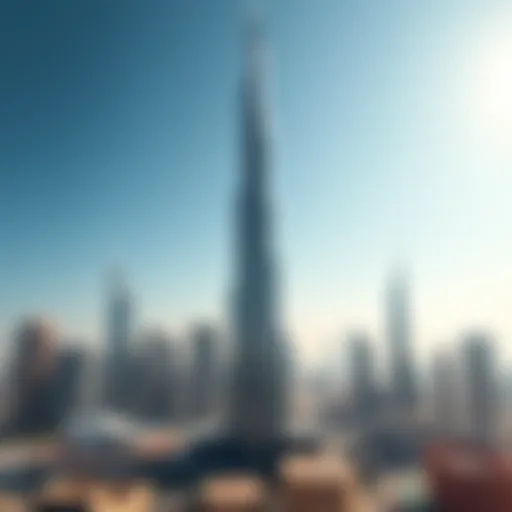
The Burj Khalifa stands as an iconic landmark against Dubai's skyline, its towering height of 828 meters a testament to human ingenuity and ambition. Constructed amidst the arid landscapes of the UAE, this colossal structure not only redefined the art of skyscraper architecture but also transformed the socio-economic landscape of Dubai.
With its sleek design and sophisticated engineering, the Burj Khalifa attracts millions of visitors yearly. They come to experience breathtaking views from its observation decks and to delve into the luxurious experiences afforded by the high-rise’s posh apartments and hotels.
This article embarks on a journey to explore various aspects of this remarkable building, examining its architectural importance, cultural resonance, and its substantial impact on the real estate market in Dubai. The Burj Khalifa represents more than just a building; it embodies the spirit of innovation and ambition that characterizes the region's rapid development in the 21st century.
In the sections that follow, we will unravel the following topics:
- Market Trends: Understanding current analyses and future projections.
- Investment Strategies: Insight into property types and financial options.
As we progress, readers will get a comprehensive snapshot of the Burj Khalifa's multifaceted roles, shedding light on why this skyscraper has become a symbol of a city that never ceases to evolve.
Preface to Dubai's Architectural Marvel
Dubai, a city that has long been a symbol of innovation and luxury, boasts a skyline that could leave even the most seasoned urban dweller in awe. At the heart of this architectural showcase lies the Burj Khalifa, an iconic skyscraper standing tall at 828 meters. It's not just a building; it’s a testament to human ingenuity and a reflection of Dubai's rapid evolution into a global hotspot.
The Burj Khalifa captures the imagination with its impressive height and sleek design. But beyond its physical allure, it serves as a vital centerpiece for Dubai's economic and cultural growth. This towering structure draws millions of visitors each year, helping to establish the Emirates as a premier tourist destination. The building itself represents a turning point in architectural possibilities, pushing the limits of what skyscrapers can achieve.
Overview of the Burj Khalifa
The Burj Khalifa was designed by the renowned architecture firm Skidmore, Owings & Merrill, with Adrian Smith as the leading architect. Its design is influenced by Islamic architecture, yet incorporates a modern twist that makes it visually stand out. The building features a unique triple-lobed footprint, meant to mimic the desert flower Hymenocallis. Additionally, its sharp, tapering form rises elegantly towards the sky, catching sunlight in a way that gives it a shimmering quality throughout the day.
Inside, the Burj Khalifa is no less impressive. The building houses luxury residences, office spaces, and hotels, particularly the Armani Hotel, designed by the fashion mogul Giorgio Armani. Visitors can also access observation decks that offer panoramic views of the sprawling city below. The experience of stepping into the Burj Khalifa goes beyond just the physical; it’s about immersing oneself in a world where modern luxury meets avant-garde design.
Importance of Skyscrapers in Modern Dubai
Skyscrapers like the Burj Khalifa play a pivotal role in shaping the identity of Dubai. As the city has transformed from a modest trading port into a bustling metropolis, these architectural giants have become symbols of its ambition and success.
- Economic Catalyst: Tall buildings attract a mix of businesses, which creates jobs and stimulates investment. Over the years, the Burj Khalifa has positioned itself as a prime address for corporations looking to elevate their brand identity.
- Tourist Attraction: With its breathtaking views and luxurious amenities, the Burj Khalifa has become a must-visit spot for tourists, contributing significantly to the local economy. From the observation decks to fine dining experiences, its allure draws visitors from all corners of the globe.
- Cultural Symbol: The skyline, dominated by the Burj Khalifa, reflects Dubai's audacity to reach new heights—literally and metaphorically. It embodies the essence of Dubai's culture, which is rooted in both tradition and innovation.
In sum, skyscrapers are not merely structures; they are the very fabric of Dubai's identity, shaping its economy, culture, and future. As the city continues to evolve, these vertical giants will remain at the forefront of its story.
Historical Context of the Burj Khalifa
Understanding the historical context of the Burj Khalifa is essential for grasping its significance not just as a structure, but as a beacon of ambition and innovation. This skyscraper marks more than just an architectural achievement; it captures Dubai's rapid transformation from a sleepy desert town into a bustling metropolis. To appreciate its impact, one must consider the socio-economic landscape of Dubai leading up to its construction, the vision behind it, and the factors that propelled this dream into reality.
Timeline of Its Construction
The construction of the Burj Khalifa is a story punctuated by ambition, rapid progress, and a series of milestones that shaped the Dubai skyline. It all started in September 2004, when the first stone was laid. The goal at that time was to create a structure that epitomized the city's growth and global aspirations.
- 2004: Groundbreaking ceremony took place.
- 2007: The structure surpassed the 50th floor, marking a significant achievement in its vertical rise.
- 2009: On January 4, the Burj Khalifa officially opened to the public, standing at an impressive 828 meters, making it the tallest building in the world.
Each phase was marked by not only the physical act of building but also by the stories of workers from different corners of the globe coming together to craft an icon.
Key Players in Development
Creating such a monumental tower required a collaboration of various participants, each bringing their expertise and vision to the project. Key players included:
- Emaar Properties: The master developer behind the Burj Khalifa; their vision was pivotal in molding Dubai's future.
- Adrian Smith: The chief architect of the project, who designed it to reflect Islamic architecture while incorporating modern construction techniques.
- Skidmore, Owings & Merrill (SOM): The architecture firm responsible for bringing the vision to life, their experience with skyscrapers ensures strong foundations and designing elegance.
The combined efforts of these contributors demonstrate how a singular idea can be transformed into a reality through concerted effort and expertise. This collaborative spirit is what has brought forth one of the world's most recognizable modern landmarks.


"The Burj Khalifa embodies the essence of Dubai’s ambition — a vertical city that captures not only the sky but the collective aspirations of its people."
In recognizing the historical context surrounding the Burj Khalifa, one gains a deeper appreciation of how this tower functions as a symbol, signifying the potential for growth and transformation in urban landscapes.
Architectural Design and Features
The architectural design and features of the Burj Khalifa not only stand as a testament to human ingenuity but also redefine the skyline of Dubai. This section reveals how thoughtful design elements and innovative engineering not only enhance the beauty of the tower but also bolster its functionality and sustainability.
Design Inspiration and Aesthetics
The Burj Khalifa's aesthetic appeal comes from its design inspired by a desert flower, specifically the Hymenocallis, a plant known for its stunning structure and resilience. The steel and glass facade sparkle under the scorching sun, remarkably reflecting Dubai’s vibrant personality. This skyscraper’s unique tiered structure breaks the monotony often seen in other skyscrapers, creating an illusion of height and elegance.
Furthermore, the design plays a crucial role in accommodating the region’s extreme weather. The curves and angles redirect wind forces, reducing sway and ensuring the structure's stability. The terraces and balconies not only provide stunning views of the city and the surrounding desert but also serve as natural elements in an otherwise urban landscape. In essence, the Burj Khalifa captures the visual essence of Dubai while serving practical purposes, showcasing how form and function can harmoniously coexist.
Engineering Innovations Used
Materials and Techniques
The choice of materials used in the Burj Khalifa is pivotal to its engineering marvel. A core element is its reinforced concrete, enriched with a high-performance mix designed to withstand external forces and extreme weights. This material is not just typical concrete; it’s designed to endure Dubai’s intense heat while maintaining structural integrity.
Moreover, the facade employs a state-of-the-art glazing system, which minimizes heat loss and helps maintain energy efficiency. The reflective glass used is not merely aesthetic but serves a significant purpose; it reduces solar heat gain, ensuring the building remains comfortable without excessive energy usage. This choice positions the Burj Khalifa as a frontrunner in sustainable architecture, proving that beauty and energy efficiency can indeed go hand in hand.
Height-Related Engineering Challenges
Construction at such profound heights introduces an array of engineering challenges. One notable aspect is the use of a high-performance concrete that can set and cure under extreme conditions. The specialized mix was essential for achieving vertical consistency and ensuring that every floor could withstand the stresses at such altitudes.
Furthermore, the structure’s significant height leads to unique challenges regarding wind shear and sway. Engineers employed advanced wind tunnel testing to analyze and predict wind effects, applying this knowledge to design features that would minimize sway. For instance, the tower's streamlined shape, with gradually decreasing tiers, effectively reduces turbulence and maintains structural stability. These challenges might seem daunting, but they also reinforce the Burj Khalifa’s reputation as an architectural miracle that inspires engineers worldwide.
Cultural Significance of the Burj Khalifa
The Burj Khalifa is not merely a steel-and-glass structure piercing the clouds; it embodies the aspirations and resilience of Dubai itself. Standing as a testament to human ingenuity, this towering skyscraper signals a shift in the cultural landscape of not just Dubai but the entire region. Its sheer size and distinctive shape have become a recognizable part of the city’s skyline, but it also plays a deeper role in the cultural identity of the UAE.
Symbol of Dubai's Growth
At 828 meters, the Burj Khalifa represents more than a physical height; it symbolizes the city's rapid transformation over the past few decades. Once a cluster of small fishing villages, Dubai has evolved into a global hub for tourism, finance, and commerce. The Burj Khalifa serves as a bold declaration of this growth.
- An Architectural Landmark: The design of the Burj Khalifa draws inspiration from traditional Islamic architecture, blended with modern techniques. This fusion not only makes the tower visually stunning but also pays homage to the cultural roots of the region.
- Civic Pride: For the residents of Dubai, the Burj Khalifa stands as a source of pride. It is a centerpiece for national celebrations, including the grand New Year’s Eve fireworks that attract thousands each year. In many ways, it encapsulates the spirit of the city—innovative, ambitious, and always looking towards the future.
"The Burj Khalifa is not just a building; it’s a symbol of our dedication and vision." – Dubai City Officials
Tourism and Economic Impact
As a cultural beacon, the Burj Khalifa is a significant driver of tourism, influencing not just the local economy but the global perception of Dubai. Tourists flock to the citadel of glass for various reasons:
- Observation Deck: The 'At the Top' observation deck on the 148th floor provides breathtaking views of the city and beyond. This experience draws countless visitors, contributing greatly to ticket sales.
- Hospitality and Retail: The on-site luxury hotel, Armani Hotel Dubai, and high-end retail spaces amplify the cultural and economic footprint of the Burj Khalifa. These establishments cater to affluent tourists and locals alike, enhancing the vibrancy of the area.
- Inspiration for Other Developments: The success of the Burj Khalifa has inspired further developments in Dubai and other cities aiming for similar architectural feats. Projects like the Dubai Creek Tower aim to challenge the limits once again, showcasing a commitment to innovate and evolve.
Real Estate Impact of the Burj Khalifa
The Burj Khalifa, soaring at a staggering height of 828 meters, has not only redefined the physical skyline of Dubai but has also had profound implications for the real estate landscape of the city. In a region where property investments are often seen as gold mines, the Burj Khalifa stands as a beacon of modern living, showcasing advancements in architecture and urban planning. Understanding its real estate impact is essential for anyone considering investing in Dubai's multifaceted market.
Influence on Surrounding Property Values
The Burj Khalifa has undoubtedly played a pivotal role in shaping the property values in its vicinity. Properties that sit close to this architectural marvel have witnessed a significant uptick in their market worth. This increase can be attributed to several key factors:
- Desirability: The status of the Burj Khalifa as a leading tourist destination has boosted nearby residential and commercial properties. The "wow" factor of living or working near the tallest building in the world cannot be understated.
- Infrastructure Improvements: Development around the Burj Khalifa has been accompanied by enhancements in transportation and amenities. The area around Sheikh Mohammed bin Rashid Boulevard is thriving, with upscale restaurants, luxury hotels, and shops springing up, all of which elevate property prices.
- Branding Effect: The association with such an iconic structure, known worldwide, often enhances the prestige of nearby properties. Buyers and renters are willing to pay a premium for what is perceived as a more exclusive address.

According to local property analysts, residential units overlooking the Burj Khalifa can command prices that are up to 20% higher than those farther away. It's no surprise that the properties in Downtown Dubai have become hotcakes in the real estate market.
"Location is everything in real estate. The Burj Khalifa doesn’t just influence its neighbors; it elevates them."
– Local Property Expert
Attraction for Investors
For investors eyeing opportunities in Dubai’s real estate sector, the Burj Khalifa represents a goldmine of potential. Several factors make it an attractive proposition:
- High Rental Yields: Properties in the vicinity are not just valuable for their sales price; they also generate high rental returns. Investors find properties in this area appealing due to the influx of tourists and expats seeking short-term and long-term rentals.
- Strategic Location: The Burj Khalifa is centrally located, making it easily accessible. It sits near other prominent attractions, such as the Dubai Mall and the Dubai Fountain, further enhancing its allure to potential tenants and buyers.
- Market Trends: The ongoing development in Dubai means that the demand for high-quality living and commercial spaces is set to rise. With a data-driven approach to investing, stakeholders are looking to seize opportunities driven by this surging demand. Property firms note that both local and foreign investors have increasingly been showing interest in purchasing units right next to the Burj Khalifa.
In summary, for those investing in Dubai's real estate market, the Burj Khalifa does not just symbolize architectural brilliance; it also embodies the potential for lucrative returns and long-term value appreciation. With ongoing developments and urban expansion projected for Dubai, the impact of this towering structure will continue to ripple across the real estate landscape, shaping market dynamics for years to come.
Living and Working in the Burj Khalifa
Living and working in the Burj Khalifa is not just about occupying a space; it’s an experience that intertwines luxury with functionality at exceptional heights. This section caters to potential residents and businesses, unpacking the unique advantages and considerations of being part of this iconic structure.
Residential Units Overview
The Burj Khalifa is home to 900 private residences, which stretch from the 19th to the 108th floor. These units are a blend of luxury and cutting-edge design, appealing primarily to affluent buyers and expatriates.
The variety of apartments includes:
- One, two, and three-bedroom layouts, showcasing modern interiors and sweeping views of the Dubai skyline.
- Penthouse suites that offer a lavish lifestyle complete with private elevators and expansive terraces.
Living in the Burj Khalifa means embracing amenities that redefine comfort. Residents have exclusive access to multiple facilities, such as:
- An infinity pool situated on the 76th floor, providing stunning vistas.
- A wellness center equipped with state-of-the-art fitness equipment and spa services.
- A dedicated concierge service that caters to a myriad of lifestyle needs, from booking dining reservations to arranging luxury transport.
However, it’s also crucial to consider the practical aspects. The cost of living is significantly higher compared to other areas in Dubai, fueled by the premium associated with residing in such an iconic landmark. This can be a deterrent for some—but for many, the prestige and lifestyle outweigh the financial implications.
Living in the Burj Khalifa is akin to having a front-row seat to Dubai's grandeur, yet it's the often-overlooked community essence that enhances the living experience.
Commercial Space Dynamics
The Burj Khalifa isn't just a residential haven; it's also a buzzing hub of commercial activity, accommodating a variety of offices and retail outlets. The business spaces are strategically designed to offer both functionality and an inspiring environment for entrepreneurs and employees alike.
Located primarily on the concourse and levels 1 to 3, businesses benefit from:
- High Visibility: Being situated in the tallest building offers unparalleled prestige and visibility, attracting both customers and clients.
- Networking Opportunities: The variety of companies that call the Burj Khalifa home provides an excellent platform for networking.
- Amenities: Tenants have access to high-end facilities such as conference rooms, event spaces, and lounges—a perfect mix for productivity and comfort.
Considerations include:
- Costs: Leasing or buying space in the Burj Khalifa comes at a premium, which could be a barrier for startups or smaller businesses.
- Accessibility: While the iconic stature of the Burj Khalifa is a significant draw, the influx of visitors can sometimes lead to congestion during peak hours.
Ultimately, working in the Burj Khalifa represents the spirit of ambition found in Dubai. The atmosphere is vibrant, driven by a blend of cultures and businesses striving for excellence in the heart of a city that never sleeps.
Sustainability Considerations
When discussing a marvel like the Burj Khalifa, it is essential to include its sustainability considerations. The superstructure is not just a testament to architectural prowess but also serves as a reference point for modern practices focused on environmental stewardship. Developers, investors, and tenants must consider how skyscrapers contribute to sustainable city living as urbanization increases.
The Burj Khalifa is more than a symbol; it’s a project that integrates several sustainable elements into its design and operation. These initiatives pave the way for other skyscrapers and urban development projects, showing that the future of architecture can coexist harmoniously with nature.
Environmental Initiatives
The Burj Khalifa has undertaken numerous environmental initiatives aimed at reducing its carbon footprint and promoting sustainability in urban environments. The building employs a greywater recycling system that captures water from sinks, showers, and other sources. This water is then treated and reused for irrigation and toilet flushing, effectively minimizing wastage.
The tower also boasts an advanced landscaping design that incorporates indigenous plant species requiring less water, thereby supporting biodiversity and reducing maintenance costs.
Additionally, there's a remarkable emphasis on low VOC (volatile organic compounds) materials in the construction phase. These materials are friendlier to indoor air quality and contribute to a healthier living environment for residents and workers.
Moreover, Burj Khalifa's orientation takes into account the wind patterns and sunlight exposure, which optimizes natural light use thereby reducing the need for artificial lighting during the day. Such an approach not only enhances energy savings but also minimizes the reliance on non-renewable energy sources.
Energy Efficiency Measures
Energy efficiency within the Burj Khalifa represents another pillar of its sustainable design. The building employs cutting-edge technologies to optimize energy use while maintaining comfort for its inhabitants. For instance, high-efficiency cooling systems are essential in such a hot climate. These systems are designed to use less energy while ensuring optimal indoor temperatures, helping to dramatically cut energy consumption.
In line with this, the double-glazed façade significantly reduces heat loss. This glass not only prevents excessive heat from entering the building but also ensures that residents enjoy uninterrupted views of Dubai’s skyline. In addition, LED lighting throughout the facility and common areas demonstrates a commitment to energy-efficient practices.
Central to its energy strategy is the integration of renewable energy sources, with investments in solar panels and wind energy systems strategically placed on the roof. While the scale of renewable energy utilization in the Burj Khalifa is still evolving, it illustrates a step towards a comprehensive approach to sustainable energy within high-rise buildings.
"Green buildings like Burj Khalifa are no longer just novelties; they reflect a growing urgency in architecture to tackle climate change and resource depletion."
By embracing sustainability through innovative design and energy measures, the Burj Khalifa not only sets a standard for future skyscrapers but also for urban development overall. This emphasis on sustainability affirms the importance of building responsibly as urban density continues to rise across the globe.
Future of Skyscrapers in Dubai
As Dubai continues to evolve, the skyline remains a testament to its ambition and innovation. The future of skyscrapers in this city is not just about height; it embodies the vision of sustainable and smart built environments. Investors, expats, agents, buyers, and renters are increasingly interested in what this means both for the economy and their long-term lifestyle.
The spirit of competition that the Burj Khalifa has ignited among architects and developers ensures that Dubai will not rest on its laurels. Rather, upcoming skyscrapers promise to marry aesthetics with functionality, incorporating the latest technological advancements. The ever-evolving landscape calls for consideration of sustainability, a response to an increasing awareness of environmental concerns.
A key aspect of this future is how these new structures will integrate with existing urban fabric, enhance public spaces, and promote community engagement. As we step into this future, let’s delve into the projects on the horizon that are set to redefine Dubai's skyline.
Upcoming Projects to Watch
Several exciting projects are currently underway, demonstrating the city’s commitment to pushing the boundaries of architectural possibility:
- Dubai Creek Tower: Set to surpass the Burj Khalifa in height, this tower aims to symbolize unity and will feature advanced engineering techniques. Developers are keen on making it an iconic landmark in the heart of the city.
- The Line: A revolutionary project in the Neom region of Saudi Arabia, but its implications reach into Dubai. Designed as a linear city, it will employ smart infrastructure and sustainability principles that showcase a new paradigm in urban living and architectures.
- Binghatti X: A residential tower that combines luxury living with environmental mindfulness. The use of green technologies will be at the forefront of its design approach.
- Vertical Forests: This concept is gaining traction, where residential towers incorporate nature right into their structure with greenery on balconies and facades. This ensures sustainability while offering inhabitants a unique living experience amid nature.
Each of these projects doesn't just aim for height or aesthetics; they incorporate advanced sustainable practices essential for the future.
Evolution of Architectural Trends
Architectural trends in Dubai are increasingly influenced by global shifts towards sustainability, technology integration, and community-focused designs. Here are some key aspects shaping the next wave of skyscrapers:
- Sustainable Architecture: New projects aim to minimize their carbon footprint. Materials like recycled steel and innovative insulating technologies will become standard, reducing energy consumption significantly.
- Smart Buildings: As technology continues to advance, so do the capabilities of buildings. Rapidly adopt new technologies, from automated systems controlling lighting and climate to security and maintenance operations controlled via smartphones.
- Mixed-Use Developments: Modern skyscrapers are shifting focus towards multi-purpose spaces where work, living, and entertainment coalesce. This drives foot traffic and promotes a sense of community.
- Cultural Context: Future skyscrapers are increasingly reflecting the local culture and heritage, incorporating traditional design elements into modern architecture. This blend fosters a stronger connection between residents and their surroundings.
The future of skyscrapers in Dubai is bright, embodying the essence of innovation while being firmly rooted in sustainability and community engagement. As projects come to fruition, the skyline will showcase not only what Dubai has achieved but also its aspirations for the future.
Epilogue
As we draw to a close in our exploration of Dubai's breathtaking Burj Khalifa, it’s crucial to reflect on its significance not only as a towering structure but also as a testament to human ingenuity and ambition. This article has delved deep into various facets of the Burj Khalifa, capturing its essence and importance in the architectural landscape of the world.
Summary of Key Points Discussed
Throughout this piece, we have highlighted several important aspects surrounding the Burj Khalifa:
- Architectural Marvel: The Burj Khalifa, standing tall at 828 meters, represents a pinnacle of design and engineering. Its graceful form, inspired by the Hymenocallis flower, merges aesthetics with functionality.
- Cultural Impact: This skyscraper is not just an architectural landmark; it symbolizes Dubai's rapid growth and modernization in the global context. Its image has become synonymous with luxury, creating a distinctive identity for the city.
- Economic Influence: The presence of the Burj Khalifa has significantly boosted tourism and business investments in the area. It's a magnet for investors, leading to an upsurge in surrounding property values and overall economic activity.
- Sustainability Efforts: The tower showcases cutting-edge innovations in energy efficiency and environmental sustainability, paving the way for future developments in Dubai’s skyline.
- Future Prospects: Looking ahead, the Burj Khalifa serves as a reference point for upcoming skyscrapers in Dubai, pushing the boundaries of architectural design and setting new standards for construction.
The Burj Khalifa as a Future Landmark
The importance of the Burj Khalifa extends beyond its current status as the tallest building in the world. It is arguably set to remain an emblematic representation of Dubai's aspirations. As new projects come into play, like the Dubai Creek Tower, it’s likely that they will draw inspiration from the Burj Khalifa’s legacy.
Moreover, as the world becomes increasingly focused on sustainability, the advances made by the Burj Khalifa in this area will influence future designs. The skyscraper not only showcases what is achievable but also presents a model for integrating eco-friendly technologies in large-scale urban developments.
In summary, the Burj Khalifa embodies a unique blend of heritage, ambition, and technological prowess. As a continuous source of inspiration, it will remain not just a landmark, but also a beacon for future generations seeking to make their mark in the ever-evolving skyline of Dubai and beyond.